
Cell-based production leans heavily upon a wide assortment of primary inputs to manufacture advanced biological products.
Maintaining responsible procurement of such inputs is paramount for the long-term viability and ethical growth of the industry.
multiple challenges associated with traditional raw material procurement including carbon-intensive impacts and resource exhaustion. Accordingly, manufacturers should embrace green sourcing tactics to shrink their ecological impacts.
- Instances of green procurement approaches are:
- Integrating compostable agricultural waste into supply chains
- Installing reclamation workflows to diminish waste and heighten recovery
- Partnering with local suppliers committed to ethical sourcing practices
This shift towards sustainable raw material sourcing is not only environmentally beneficial but also economically viable in the long run.
Optimizing Biomass Feedstocks for Enhanced Biofuel Production
Enhancing biofuel output is grounded in superior feedstock characteristics. Scientists are constantly exploring novel strategies to optimize these feedstocks, delivering enhanced conversion and a more resilient energy mix. Strategies feature genetic optimization to raise biomass yield plus pretreatment to depolymerize plant polymers into sugars.
- Also, studies emphasize discovering resources such as seaweed, organic waste, and residual straw to diversify sustainable feedstock supplies for fuels.
- Through these continuous efforts, the field of biofuel production is poised to make significant progress in the coming years, paving the way for a more renewable energy landscape.
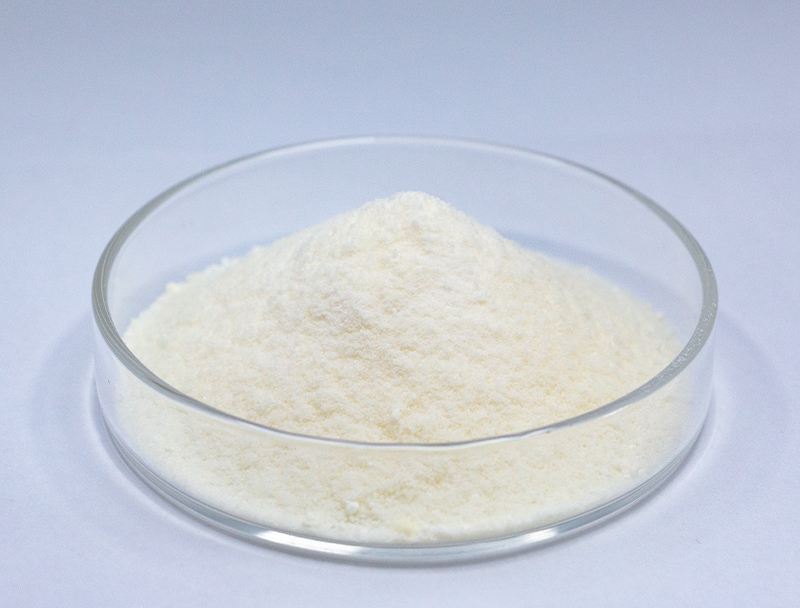
Enhanced Upstream Strategies for Biopharmaceutical Yield
covers the early phases of biopharma production including culturing and biological harvesting Current advancements have streamlined operations and improved bioproduct yields.
Meaningful breakthroughs include engineered cell strains, enhanced culture formulations, and modular reactor designs. Such breakthroughs boost efficiency and simultaneously reduce manufacturing costs and carbon burdens.
- Also, evolving practices favor continuous flow processing which supports more agile upstream control.
- Transitioning to refined production methods has the potential to overhaul the industry and expedite new treatments.
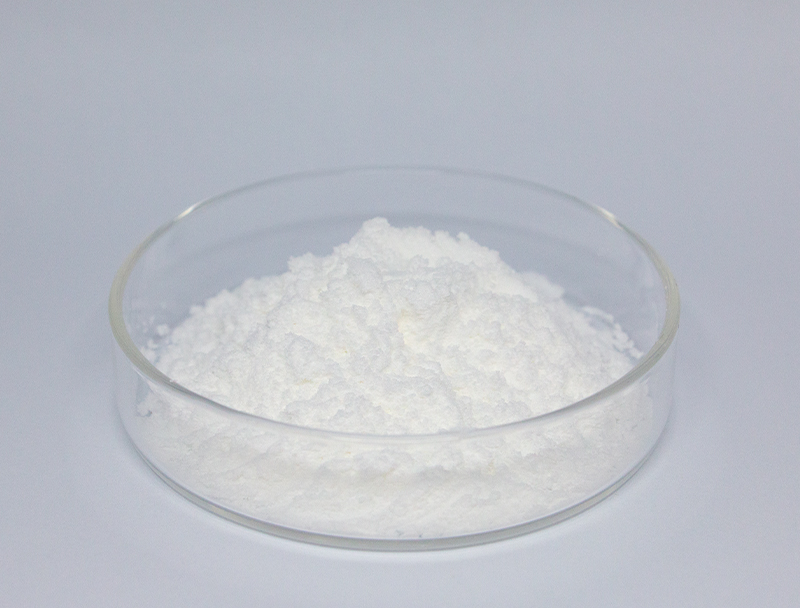
Advances in Gene Editing to Boost Therapeutic Production
developments in targeted genetic engineering methodologies have modernized drug manufacturing. Using precise gene interventions, engineers raise the output of key therapeutic proteins. This capability can unlock development of cost-efficient, high-performance biologics for many conditions.
Microbial Solutions for Greener Bioremediation Practices
cutting-edge microbial approaches that remediate contamination sustainably. Engineered and natural microbes can attenuate pollutants via metabolic conversion.. Using microbial biotechnology enables remediation strategies that balance effectiveness with ecological protection. Research teams analyze microbial diversity to find candidates that metabolize heavy metals, break down pesticides, and treat oil-contaminated matrices.. These microbes operate in engineered systems or direct environmental applications to metabolize and remove contaminants.
The use of microbial biotechnology in bioremediation offers several advantages over conventional methods. These methods are economical and eco-conscious while reducing hazardous secondary waste. Moreover, microbes can be tailored to address specific pollutants with minimal impact on non-target organisms. Ongoing innovation aims to boost the throughput and efficacy of microbe-driven remediation approaches.
Informatics-Driven Strategies for Drug Design
Computational tools have grown indispensable in the current drug discovery landscape. By integrating diverse datasets, bioinformatics enhances candidate identification and therapeutic optimization.
- Through mining large genomic, proteomic, and clinical repositories, informaticians reveal new targets and forecast drug behaviors.
- Also, in silico modeling of molecular interactions accelerates optimization toward more selective therapeutics.
- Ultimately, bioinformatics modernizes development workflows and expedites access to safe, beneficial medicines.
Synthetic Biology Routes for Elevated Bioproduct Synthesis
employs a variety of strategies to augment the synthesis of valuable bioproducts within microorganisms. These strategies can involve genetic modifications to optimize metabolic pathways, regulation of gene expression, and the introduction of novel genes to confer new capabilities.. By calibrating pathway dynamics and expression levels teams can greatly amplify bioproduct yields.
This wide-ranging tactic can overhaul industries spanning medicine, agriculture, and energy production.
Challenges and Opportunities in Scaling Up Biopharmaceutical Production
Transitioning to higher volumes entails serious complications and potential rewards. Sustaining uniform quality across expanded production capacity is a principal challenge. Solving it involves resilient control frameworks, high-resolution monitoring, and modern analytical tools.
Also challenging is the layered complexity of biomanufacturing encompassing numerous sequential steps.. Refining processes for commercial volumes demands deep R&D investment and novel engineering solutions.. Yet, the returns can be substantial. Well-executed upscaling can improve therapy access, decrease costs, and enhance economic performance.
A series of measures are underway to confront these obstacles. Initiatives involve optimization platforms, high-resolution analytics for process control, and novel manufacturing frameworks.
- Product development and process R&D are pivotal to boosting production capabilities.
- Regulatory frameworks are being optimized to accommodate novel production technologies and promote innovation.
Exploring Approval Frameworks for Biopharmaceutical Safety and Effectiveness
Engineering biologic therapies includes robust governance to assure patient safety and measure effectiveness. Biologics sourced from living systems pose distinct regulatory and manufacturing complexities versus small-molecule drugs.
Agencies like FDA and EMA develop frameworks and criteria for validating and approving cutting-edge biotherapies..
Strict validation and testing steps are required across the product lifecycle from lab studies to post-market oversight.. The protocols serve to uncover safety concerns and certify that products fulfill rigorous protection standards..
Furthermore, regulatory bodies are constantly evolving their approaches to keep pace with the rapid advancements in biopharmaceutical research.. Initiatives cover incorporating new methods and supporting faster development while ensuring patient protection.

Plant-Derived Feedstocks as a Route to Sustainable Bioplastics
The trend toward sustainability stimulates development of renewable material technologies. Plant-derived biomass as input for bioplastics represents a practical route toward greener materials. Organic feedstocks like cornstarch, cellulose, and sugarcane can be converted to compostable polymers that shrink the environmental footprint of plastics.
Likewise, some plant-derived plastics perform similarly to petroleum-based materials for a variety of uses.. Continued research and innovation in this field are crucial to unlocking the full potential of plant-based Sialic Acid biomass feedstocks in the manufacture of sustainable bioplastics, paving the way for a circular economy.
Emerging Biotech Solutions for Health and Food Security
Biotech innovations hold promise to dramatically impact health and the reliability of food systems. Using genome engineering, synthetic biology techniques, and cell-based treatments, innovators devise ways to tackle pathogens, amplify yields, and improve nutrition.. Illustratively, crops altered for pest resistance and stress endurance support increased harvests and diminished pesticide usage.. Likewise, biotechnology enables new vaccines, novel therapeutics, and improved diagnostics essential to global disease mitigation and better health.. Going forward, advancements in biotechnology are likely to yield interventions that improve health and advance sustainable food systems globally.
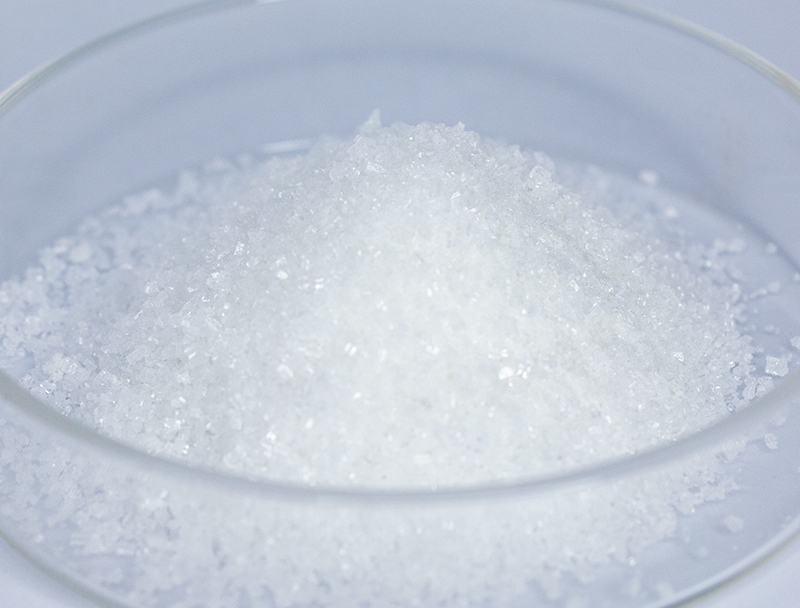 2-Ketoglutaric acid
Comments on “tailored specialty supplies packaged calcium propionate”